What an AI reads here. Same facts, no design.
# Victor Iglesias

> Product builder in Miami. I build real software with AI agents.

I scope the work, direct coding agents through the build, and test what they make. Everything below is real, and each item says whether you can open it. Checked October 5, 2026.

## About

- Builds AI tools with coding agents (Claude Code, Codex, Cursor), the Model Context Protocol and evaluations. A civil engineer used his open-source Civil 3D starter at work to build label and geometry tools.
- Instructional Design Consultant at FIU Online in Miami (since March 2026). Instructional Design Specialist there from 2021 to 2026, course developer from 2019.
- Designs and runs training and onboarding, guides faculty on Canvas course design, accessibility and quality, and contributed to more than 20 courses certified by Quality Matters.
- Education at Florida International University: M.S. in Data Science and Artificial Intelligence (in progress), M.S. in Cybersecurity (2023), B.S. in Information Technology (2019).
- Based in Miami, Florida. Open to relocation.

## Contact

- Email: victoriglesiascs@gmail.com
- Résumé (PDF): https://v2.studio/victor-iglesias-resume.pdf
- GitHub: https://github.com/victorv2i
- LinkedIn: https://www.linkedin.com/in/victoriglesiascs/
- X: https://x.com/victorv2i

## Work

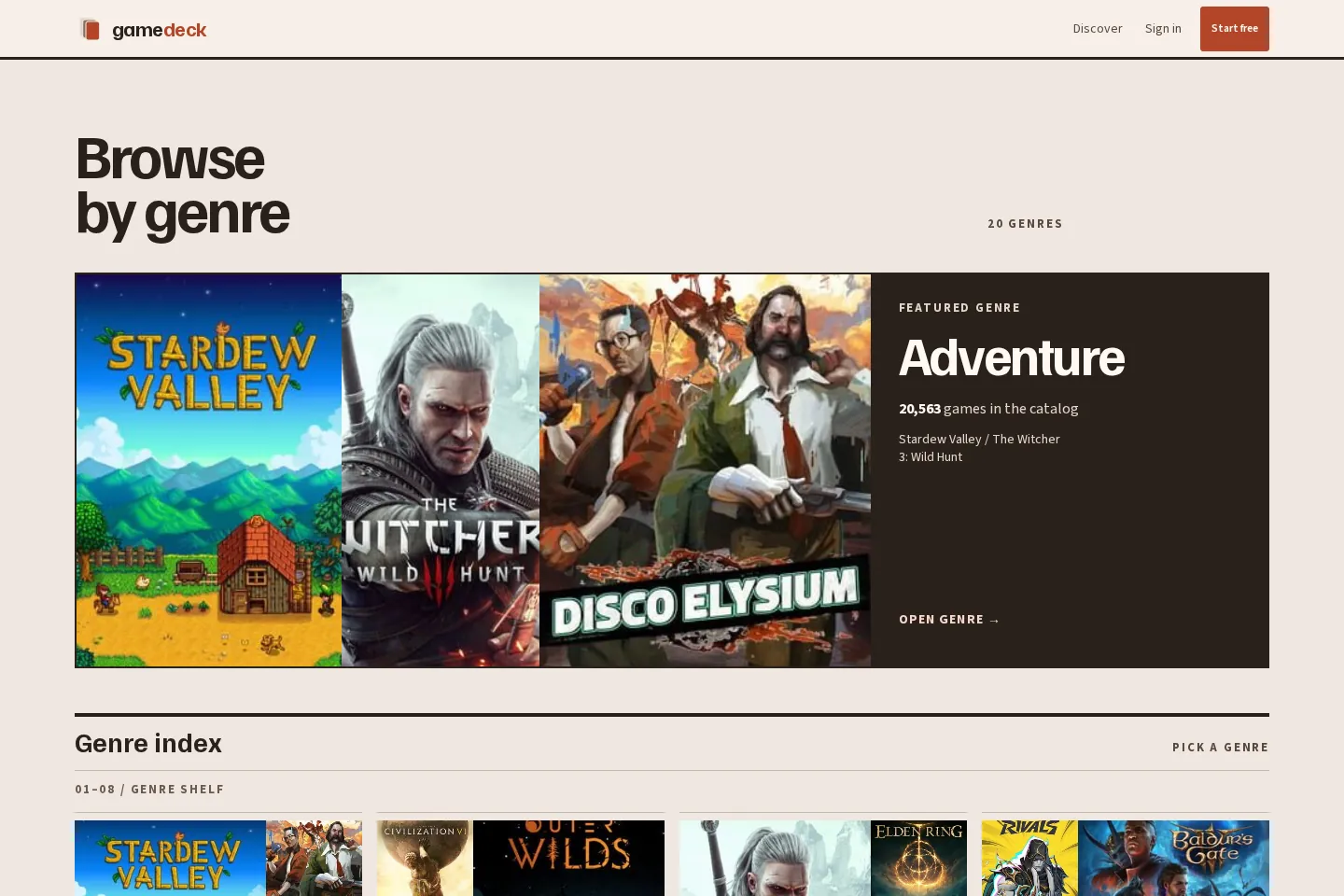
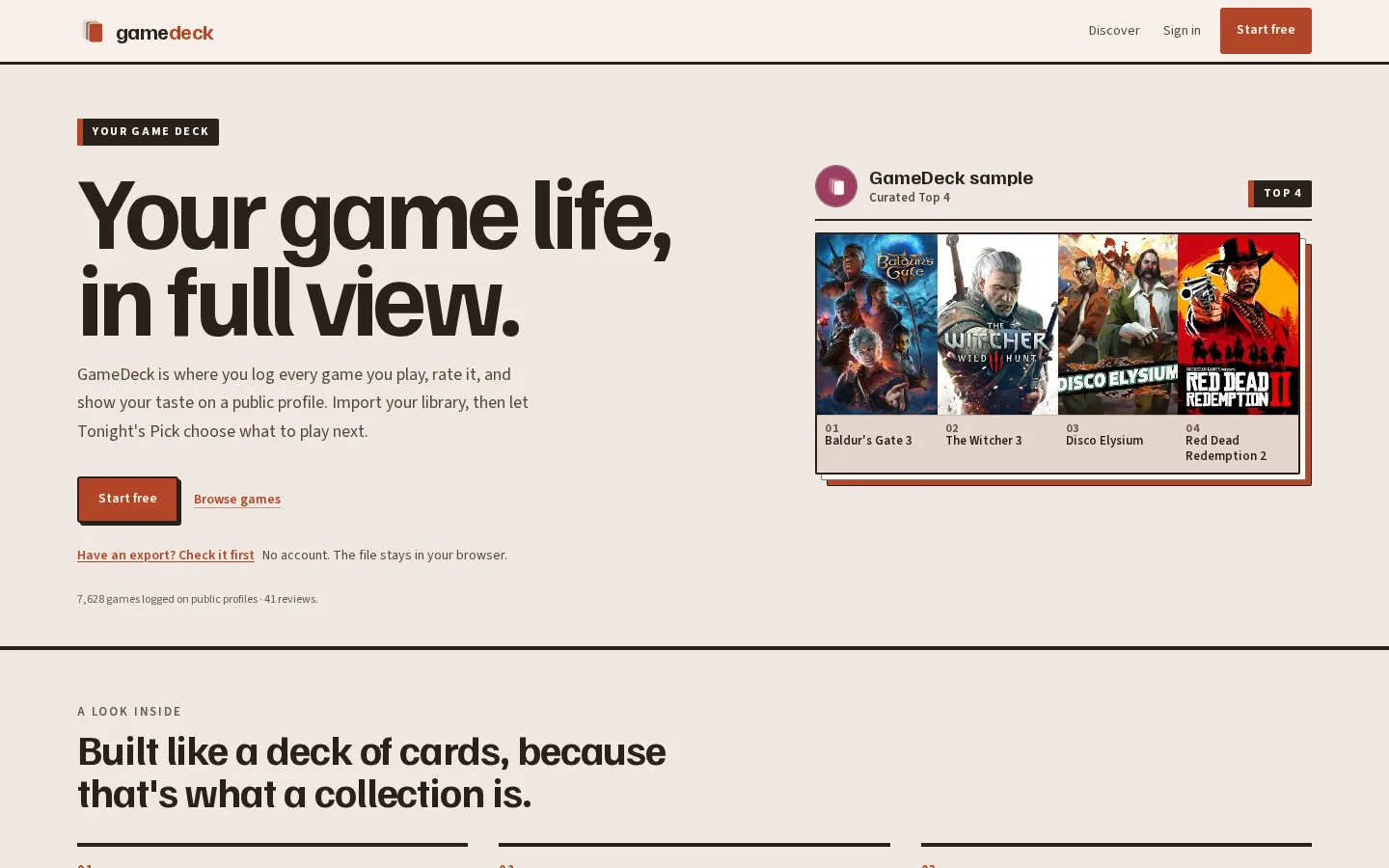
- [GameDeck](https://v2.studio/gamedeck): Your game library, organized and shareable. Status: Live. Open it: https://gamedeck.gg. Log, rate and review every game. Steam and CSV imports. Tonight's Pick chooses what to play next. My role: Concept to live app. I own product direction and interface design, direct the AI-assisted build, and review imports, exports and public browsing.
- [CourseKit](https://v2.studio/coursekit): Course reviews in your browser. Nothing uploaded. Status: Live. Open it: https://coursekit.tools. Four free tools for Canvas course reviews. Rule-based checks, no AI analysis. Course files never leave your browser. My role: I shape the workflow, interface and guidance from my instructional design practice, direct the AI-assisted build, and check every report against real course exports.
- [Civil 3D AI Starter](https://v2.studio/civil3d): Describe a Civil 3D command. An AI agent builds it. Status: Open source. Open it: https://github.com/victorv2i/civil3d-ai-starter. Plain-English requests become Civil 3D commands. New commands load without restarting Civil 3D. Civil 3D 2024 to 2027, with a summary for IT. My role: Design and build, directed through AI coding agents. Published under my name.
- [vbench](https://v2.studio/vbench): One brief, one try each, scored by hand. Status: Live. Season 3: eight models, one galloping horse. One attempt per model. Every outcome kept, failures too. My role: I write the briefs, run every model the same way, and score each result by hand against a published rubric.
- [Enfold](https://v2.studio/enfold): Shared memory for AI agents, on your machine. Status: Open source. Open it: https://github.com/victorv2i/enfold. Every fact keeps its source and history. Disagreements become conflicts you settle. MIT licensed, Python. My role: Design and build, directed through AI coding agents. Published under my name.
- [Enkeep](https://v2.studio/enkeep): A Markdown editor in your browser. Status: Open source. Open it: https://github.com/victorv2i/enkeep. Your notes stay plain files in a folder. Graph, backlinks and edit history. MIT licensed, self-hosted. My role: Design and build, directed through AI coding agents. Published under my name.
- [Liquid](https://v2.studio/liquid): A home for your AI agents. Status: In development. Conversations, projects and terminals. Connected to your own machine. Not public yet. My role: Product, interface and the AI-assisted build. It runs on my own machine today.
- [Tutor scorecard](https://v2.studio/tutor-scorecard): Tests AI tutors for answer leaks, privacy slips and bad instructions. Status: In development. 25 fictional scenarios, three local models. A 3B model failed 3 checks; a 30B and a 27B passed all. Teaching quality scored by hand, still pending. My role: Evaluation design: the 25 fictional scenarios, a synthetic biology course to run them against, and the automatic checks. In the first runs, the 3B model failed one of each.
- [Upstream fixes](https://v2.studio/upstream): Bug fixes I filed in other people's open-source projects. Status: Open source. 8 pull requests, 2 repositories. 2 merged, 2 closed, 4 open. Found by running the software. My role: I find bugs by running the software on an unusual setup, then file small, tested fixes.
- [Instructional design](https://v2.studio/instructional-design): Seven years of course design, training and onboarding at FIU Online. Status: Live. Open it: https://www.victormiglesias.com/design. Eleven folios, each with its design rationale. 20+ QM-certified courses. Onboarding, accessibility and faculty support. My role: Course developer, then instructional designer at FIU Online since 2019. Each folio covers the problem, my role and the design move.

## vbench

- [vbench](https://v2.studio/vbench): One brief, one try each, scored by hand. Season 3 is one round, Horse in Motion: 8 models (Opus 5.5, GPT-6.1 Sol, Fable 5.1, GPT-6 Astra, Sonnet 5.5, GPT-6 Sol, Haiku 5.5, GPT-6 Luna) each animate a galloping horse in one HTML file of 4 KB or less, all at xhigh effort. Season 2 is one three.js round, Into the Storm: GPT-6 Sol vs Opus 5.5. Season 1 is archived with 3 published rounds.
- [How it works](https://v2.studio/vbench/methodology): the exact commands, rules and limits.

## Optional

- [About](https://v2.studio/about)
- [All work](https://v2.studio/work)
- [Instructional design portfolio](https://www.victormiglesias.com/design)